Shop brake components
Best Locations to Buy Car Parts: A Complete Manual for Excellence and Budget-Friendly Pricing
Discovering suitable car parts can be a challenging task. It requires balancing quality with affordability. Numerous options exist, from local auto parts stores to online retailers and salvage yards. Each option offers its own set of advantages and disadvantages. Recognizing these differences is important. As one explores this landscape, certain key considerations will appear, shaping the decision-making process. The next steps will explain how to make well-reasoned choices.
How to Assess Your Vehicle's Part Requirements
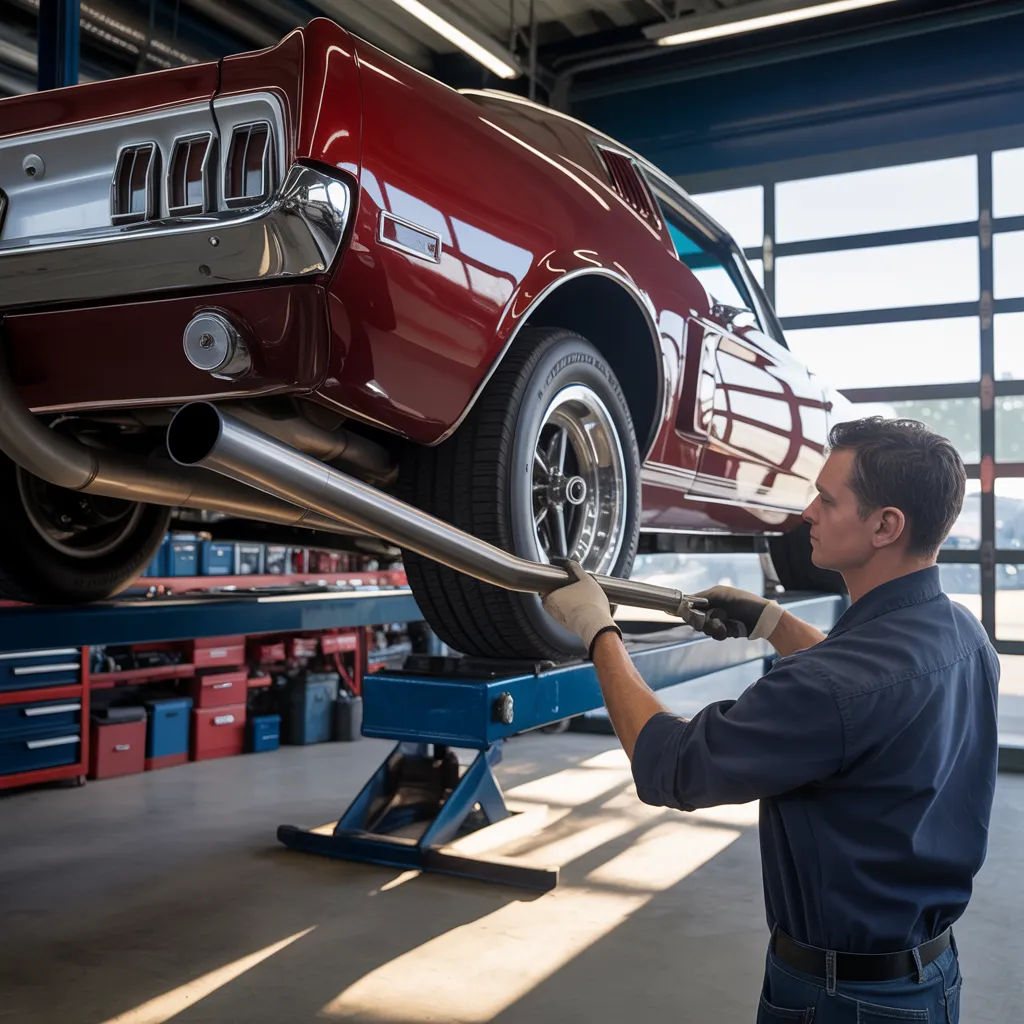
What approaches can a vehicle owner use to precisely discover here identify their automobile's part requirements? First, it is vital to review the owner's manual, which provides specific information concerning part numbers and specifications. Additionally, vehicle identification numbers (VIN) can be employed to identify exact parts needed for a particular make and model. Online resources and automotive forums provide insights into common issues and suggested substitutes, aiding in the identification procedure.
One pragmatic method is performing a visual inspection of the vehicle. Identifying damaged or damaged parts can assist in determining necessary replacements. Furthermore, engaging with a trusted mechanic for a diagnostic assessment can clarify part needs, especially when dealing with more complex issues. By combining these options—manual reference, VIN analysis, online resources, visual inspection, and professional consultation—vehicle owners can accurately identify the parts required for their vehicles, ensuring ideal performance and safety.
Local Auto Parts Stores: Merits and Demerits
Auto parts stores in your area present a convenient choice for vehicle owners seeking immediate access to parts. These stores usually have knowledgeable employees who can help with selecting the right components, offering valuable advice on installation and compatibility. Moreover, local stores consistently carry a selection of brands, allowing customers to choose based on budget and performance.
However, there are shortcomings to examine. Pricing at local auto parts stores may be higher compared to online retailers, reducing affordability for some consumers. Additionally, stock can change considerably, which might generate a sparse selection for specific or less common parts. Also, store hours can be confining, making it problematic for those with busy schedules to shop.
In the end, local auto parts stores deliver a blend of benefits and drawbacks, making it important for automobile buyers to assess their possibilities based on current demands and future budget considerations.
Premier Online Sites for Vehicle Parts
Shoppers who enjoy the luxury of shopping in comfort, will find that online outlets of car parts deliver a noteworthy alternative to local auto parts stores. Prominent platforms like AutoZone, RockAuto, and Advance Auto Parts supply substantial catalogs consisting of everyday components alongside specialized products. These retailers commonly boast streamlined platforms that support customers in searching by vehicle make and model, confirming compatibility with their distinct needs.
In addition, Amazon and eBay have grown as important players in the car parts field, furnishing an impressive collection of choices, regularly at attractive prices. Multiple online retailers also offer customer reviews, which can increase purchasing assurance. Also, the capacity to compare prices on multiple platforms permits buyers to find the most advantageous deals. Alongside the advantage of delivery service, purchasing car parts online has become increasingly preferred for consumers seeking both quality and value for money.
Why Salvage Yards Are Worth Your Attention
While numerous car owners may ignore salvage yards as a viable option for acquiring components, these establishments often provide significant benefits that can lead to substantial savings. Salvage yards typically offer a wide range of used parts at a fraction of the cost of new components, making them an desirable option for economical-minded individuals. Customers can find everything from engines and transmissions to body panels and interior components, often in good condition.
In addition, purchasing from salvage yards supports environmental responsibility by encouraging recycling and minimizing waste. Many yards also give customers the ability to inspect parts firsthand, ensuring fit and quality before making a purchase. Expert staff can help in locating the correct components, further improving the shopping experience. For those inclined to invest a bit of time in searching, salvage yards can uncover valuable treasures, rendering them a solid option for anyone in need of car parts.
Aftermarket Compared to OEM Car Parts: Important Differences
Comparing OEM and aftermarket automobile components uncovers numerous important distinctions. Performance and quality may vary greatly, influencing the dependability of repair work. In addition, cost considerations and warranty offerings play essential roles in a consumer's purchasing decisions.
Standards and Performance Aspects
Selecting between aftermarket and OEM car parts requires an understanding of their distinct qualities and performance capabilities. OEM parts are manufactured by the original vehicle manufacturer, ensuring precise fit and adherence to factory specifications. These components often provide reliability and longevity, as they undergo rigorous testing. Conversely, aftermarket parts are produced by third-party companies and can vary widely in quality. While some aftermarket options may match or exceed OEM standards, others might compromise on performance or durability to reduce costs. Buyers should consider factors such as warranty, compatibility, and material quality when evaluating either type. Ultimately, the right choice copyrights on individual needs, vehicle requirements, and performance expectations.
Budget Implications and Affordability
Grasping the price differences between OEM and aftermarket auto parts is key for buying smartly. OEM parts, sourced from the vehicle maker, usually cost more because of their assured compatibility and adherence to manufacturing standards. On the other hand, aftermarket parts, built by third-party manufacturers, often are more budget-friendly, making them appealing for thrifty consumers. Nonetheless, the quality of aftermarket options may vary greatly, which can affect durability and performance. While initial costs are an important consideration, customers should also weigh long-term expenses connected to reliability and effectiveness. Ultimately, weighing upfront costs against possible repairs or replacements is necessary for ensuring cost-effective and dependable maintenance.
Warranty and Professional Help Services
Protection and assistance solutions represent a vital aspect in the selection process for selecting car parts. When examining OEM (Original Equipment Manufacturer) products, clients commonly leverage comprehensive warranties, highlighting the supplier's certainty in their quality of their products. These warranties normally safeguard against issues and assure stable performance, establishing trust among buyers.
In contrast, alternative components may present diverse coverage options. Some independent producers extend competitive warranties, while others may fail to provide sufficient coverage, generating possible issues for the consumer. Technical assistance can also differ substantially; OEM parts typically boast recognized support networks, whereas aftermarket options might offer restricted help. Ultimately, grasping these distinctions helps purchasers decide intelligently based on their priorities for quality, reliability, and peace of mind.
Assessing Car Parts: Quality Indicators and Price Comparison
When evaluating car parts, it is crucial to spot quality markers that demonstrate reliability and durability. Additionally, examining pricing across vendors across various suppliers can expose significant differences that affect overall value. Understanding warranty terms further assists consumers in making informed decisions about their purchases.
Identifying Premium Indicators
Evaluating car parts requires a sharp-eyed approach to quality benchmarks that can greatly impact vehicle performance and durability period. First, authenticity is crucial; real parts often carry manufacturer labels and safeguards. In addition, material composition play an essential role; high-quality components are typically built from durable metals or next-generation polymers, furnishing stronger defense to deterioration and damage. Additionally, inspecting build quality can reveal manufacturing standards; precise dimensions and smooth surfaces often point toward superior craftsmanship. Awards from prestigious groups can also serve as a proven quality benchmark. Finally, shopper reviews and professional expertise provide valuable insights into the longevity and trustworthiness of targeted parts. By detecting these markers, buyers can arrive at reasoned choices that contribute to their automobile's overall performance.
Analyzing Price Alternatives
When evaluating car parts, reviewing price options is vital for achieving both quality and budget alignment. Price variations can indicate differences in quality, so consumers should survey multiple sources, including online retailers, local auto parts stores, and dealerships. It is critical to consider not just the price tag but also the part’s reputation for reliability and performance. Using tools such as price comparison websites can ease this process, helping buyers to easily identify the best deals. Additionally, examining customer reviews and ratings helps gauge product satisfaction. Ultimately, a well-rounded approach to price comparison, factoring in quality indicators alongside cost, will lead to informed purchasing decisions that weigh affordability with durability.
Understanding Protection Terms
Understanding coverage details is a crucial component of buying car parts that often goes overlooked. A warranty signifies the manufacturer's trust in the product's durability and quality. Typically, warranties vary in length and coverage, encompassing defects in materials and workmanship. Buyers should note the difference between limited and full warranties; the former may impose restrictions or exclude certain damages. Additionally, it's essential to assess the warranty's portability, especially for used parts. A thorough warranty can indicate higher quality, offering reassurance to the buyer. When comparing prices, a longer or more comprehensive warranty can warrant a higher cost, as it may save money on potential future repairs. Ultimately, understanding these terms enhances informed buying decisions for car parts.
Methods for Intelligent Acquisitions: Online and Offline
Maneuvering through the landscape of car parts commerce requires a intentional approach, whether online or conventional. Consumers should begin by identifying the specific parts they need, ensuring compatibility with their vehicle. Web shoppers can excel from comparing prices across multiple websites, harnessing user opinions to evaluate craftsmanship and consistency. It's essential to inspect return conditions to evade potential issues.
When making offline purchases, attending local auto parts stores allows customers the opportunity to evaluate items and obtain expert advice. Establishing bonds with knowledgeable staff can offer personalized recommendations. In addition, consumers should consider timing; sales events or holiday promotions commonly yield significant savings.
Both digital and brick-and-mortar shoppers should also remain watchful about copyright products, selecting reputable retailers. Finally, a comprehensive understanding of warranty terms can deliver extra peace of mind of durability and reliability, guaranteeing that customers make informed decisions in their car parts buying.
Frequently Asked Questions
How Do I Check if a Part Is Compatible With My Vehicle?
To determine part compatibility, individuals should check the vehicle's make, model, and year, reference the owner's manual, and access online databases or part retailers that offer compatibility filters for exact matching.
What Protection Plans Are Typically Offered on Automobile Parts?
Generally, warranties on car parts span 30 days to lifetime coverage, determined by the manufacturer and part type. These warranties typically cover defects but may omit damage from incorrect fitting or misuse.
May I Return Car Parts in the event that They Won't Fit?
Yes, many retailers accept returns of car parts that don't fit, provided they remain unused and in original packaging. It's important for buyers to check specific return policies before making a purchase to avoid complications.
Are there seasonal discounts for car parts?
Seasonal promotions for car parts often take place during holidays, end-of-year clearance events, and major shopping days. Retailers typically offer reduced pricing, making it an ideal time for consumers to purchase parts at lower costs.
What's the Best Way to Discover Local Professionals for Assembly?
To discover local mechanics for setup, one can employ online directories, review platforms, and social media recommendations. Additionally, asking acquaintances for suggestions often provides trustworthy local options for vehicle servicing.